
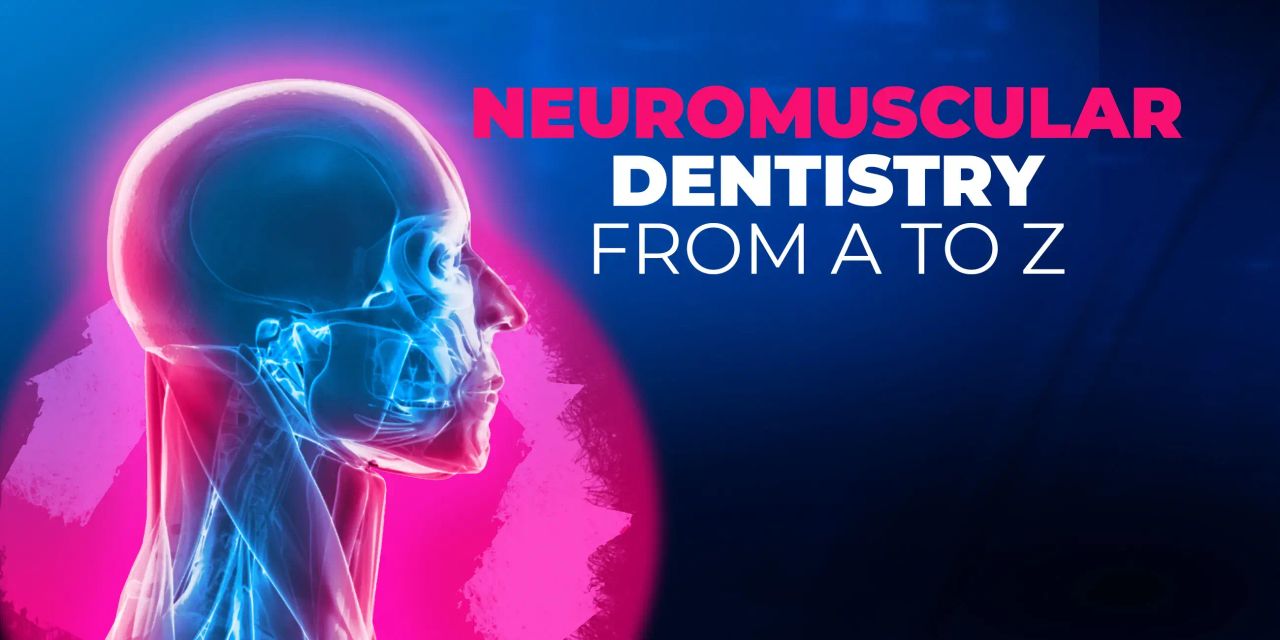
CR registration using neuromuscular approach. How to achieve stable results

CR registration using neuromuscular approach. How to achieve stable results
Michael MiyasakiBài học có trong các khóa học sau:
Nhận khóa học này và 1 200 giờ học với Premium.
bao gồm những gì
Bài học này
Chi tiết
1giờ 30phút
1.5 Tín chỉ CE

Tiếng Anh
Quyền xem bản ghi trong thời hạn gói Premium của bạn
Chương trình bài học
– Occlusion and malocclusion: definition
– Rationale behind the neuromuscular approach to occlusion
– The concept of habitual bite
– Physiologic vs accommodative trajectory
– Available equipments used to diagnose and treat cases via neuromuscular approach
– Patient examination algorithm in the concept of neuromuscular dentistry
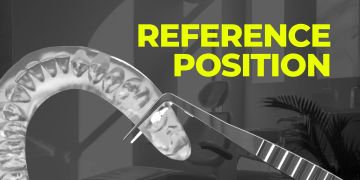
– CR registration using neuromuscular approach
– 3 keys to work in the concept of neuromuscular dentistry
– The method of obtaining the registry
– Orthotic: types and advantages of application
– Goals of the phase II of treatment
– What final options are available and an example of approaching a worn dentition rehabilitation
– Framework to approach occlusal stability.
Recommended for: Prosthodontists, Functional dentists, Restorers, General dentists.
Bài học có trong các khóa học sau: