
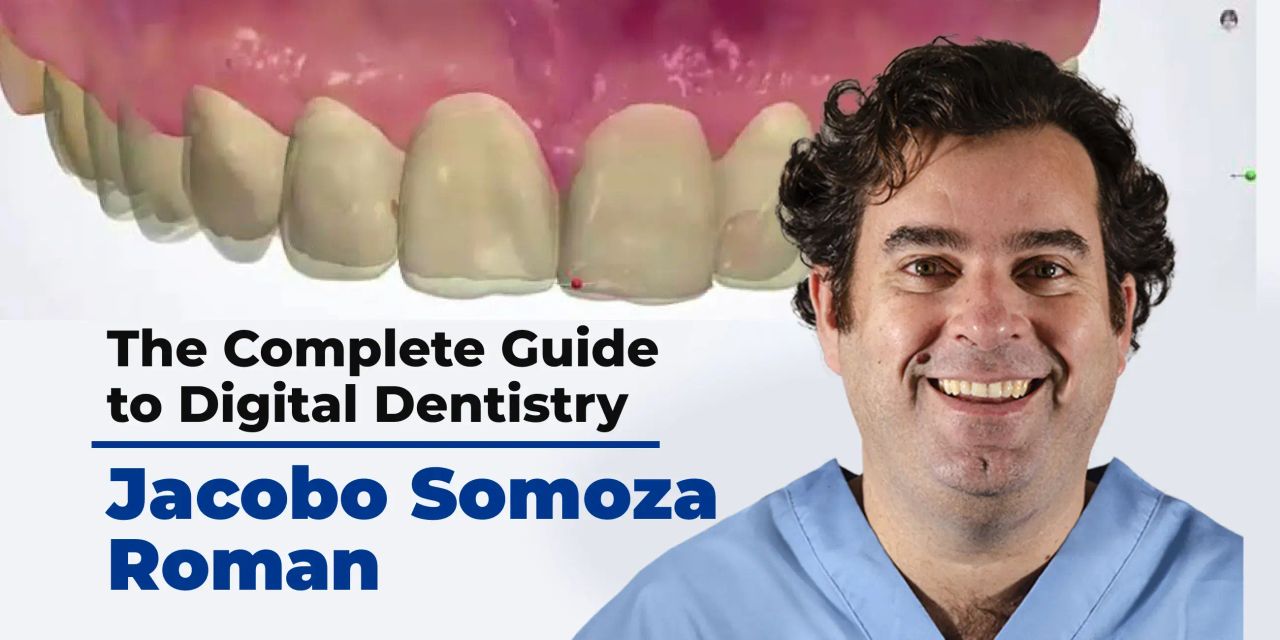
Intraoral scanners usage in statics and dynamics

Intraoral scanners usage in statics and dynamics
Jacobo Somoza RomanBài học có trong các khóa học sau:
Nhận khóa học này và 2 800 giờ học với Premium.
bao gồm những gì
Bài học này
Chi tiết
1giờ 40phút
1.5 Tín chỉ CE

Tiếng Anh
Quyền xem bản ghi trong thời hạn gói Premium của bạn
Chương trình bài học
– How does the intraoral scanner function?
– Types of scanners
– The main problems that occur during intraoral scanning
– Which intraoral scanner should I choose for my clinic? Detailed comparison of models from different manufacturers
– Detailed stages of intraoral scanning:
- Preparing the scanner and computer
- Ergonomics during scanning
- Scanning strategy: how should I move the scanner sensor in the oral cavity?
- Processing scanning result
- Additional programs for intraoral scanners
- Reception-transfer to the laboratory
- Image postprocessing.
– Features of intraoral scanners using in implant prosthetics
– Scanning of prepared teeth: the importance of the scanner resolution for ensuring the edge fit of the restoration
– Bite detection by intraoral scanners: central occlusion and centric relation registration using a leaf gauge
– Registration of dynamic occlusion
– Retraction of the gingival margin before scanning
– What is an prosthetic virtual key?
– Analysis of clinical cases.
Recommended for: Prosthodontists, Implantologists.
Bài học có trong các khóa học sau: