
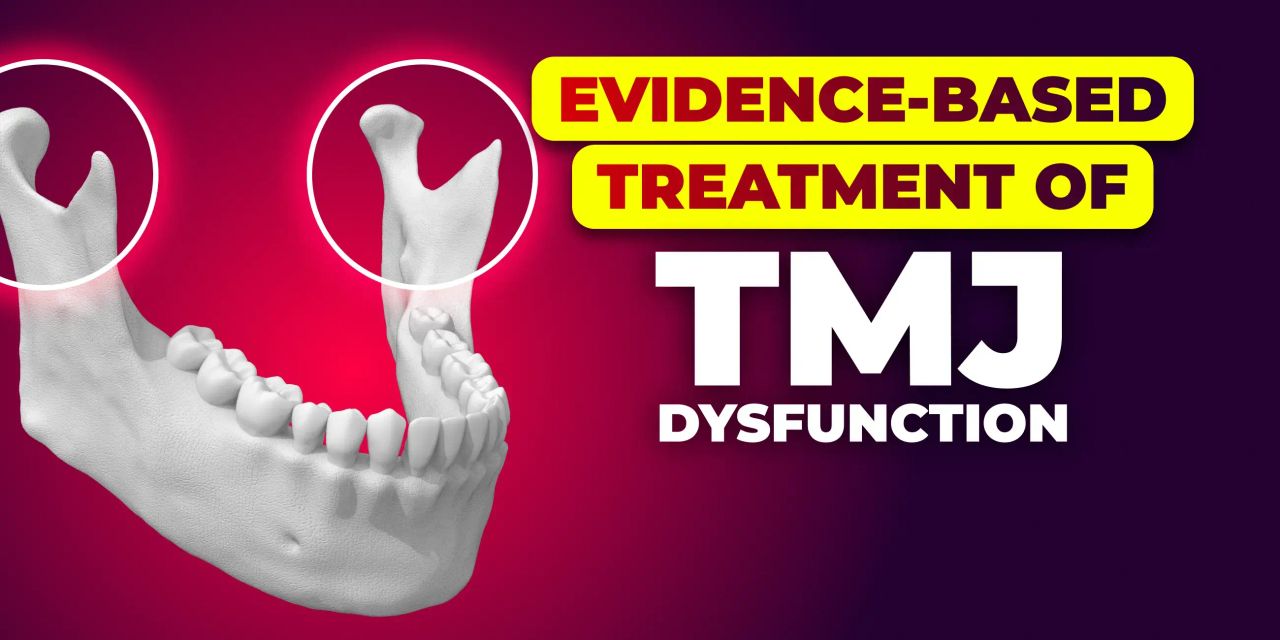
Functional diagnostics. Norm and pathology

Functional diagnostics. Norm and pathology
Ulrich Lotzmann
Nhận khóa học này và 2 800 giờ học với Premium.
bao gồm những gì
Bài học này
Chi tiết
2giờ 52phút
2.75 Tín chỉ CE

Tiếng Anh
Quyền xem bản ghi trong thời hạn gói Premium của bạn
Chương trình bài học
– Craniomandibular dysfunction:
- Definition
- Symptoms
- Etiology.
– Forms of craniomandibular dysfunction:
- Compensated
- Uncompensated.
– Pathology of occlusion: role in the development of craniomandibular dysfunction
– Parafunctions: occlusal and nonocclusal
– Demastication, Attriction, Abfraction and Erosion: Significance
– Methods of functional analysis
– Three-dimensional registration of movements of the lower jaw
– Options for functional analysis:
- Quick Check
- Functional analysis I
- Functional analysis II.
– Objectives of functional analysis
– Posture: influence on the development of pathology
– Anatomy and function of the TMJ
– Examination of the TMJ: palpation technique
– The main pain areas of the TMJ
– Temporomandibular joint noises: crunch, click and crepitus
– Disc displacement: reposition technique
– Jaw muscle pain: localization and diagnostics
– Examination of masticatory muscles.
Recommended for: General dentists, Orthodontists, Prosthetists, Gnathologists.