
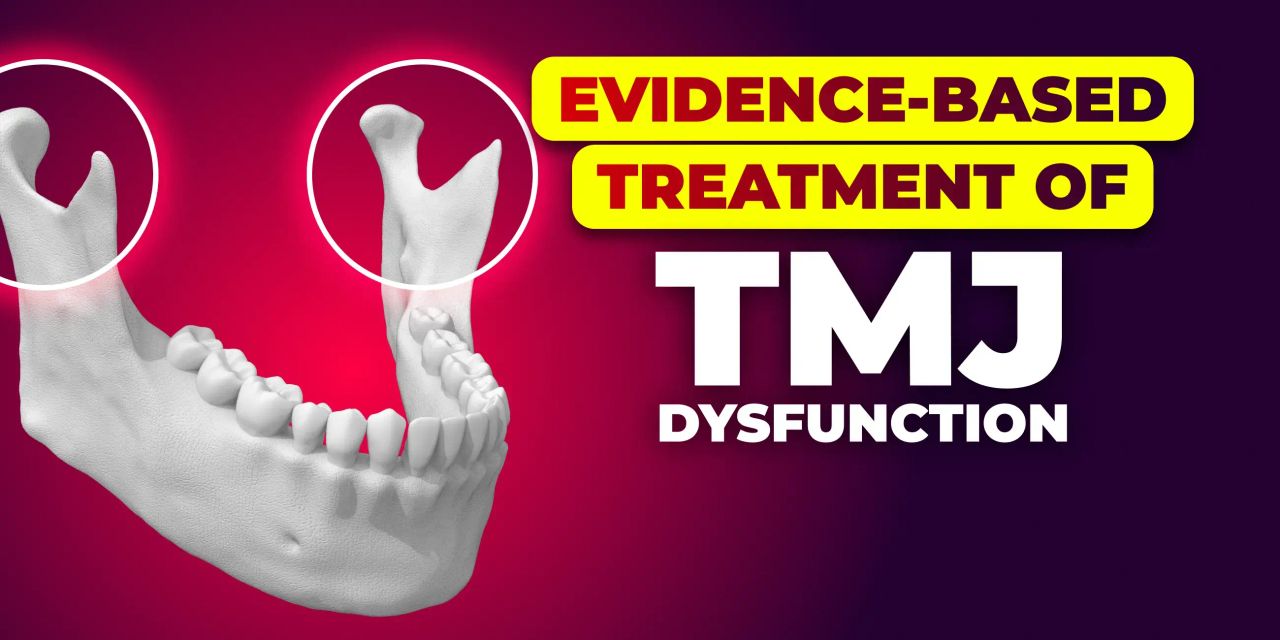
TMD diagnosis in an evidence-based approach

TMD diagnosis in an evidence-based approach
Ambra Michelotti
Nhận khóa học này và 2 800 giờ học với Premium.
bao gồm những gì
Bài học này
Chi tiết
1giờ 55phút
1.75 Tín chỉ CE

Tiếng Anh
Quyền xem bản ghi trong thời hạn gói Premium của bạn
Chương trình bài học
– Classification of orofacial pain
– Determination of temporomandibular disorders
– Diagnostic groups of temporomandibular disorders
– Risk factors for temporomandibular disorders:
- Macrotrauma: types and correlation with musculoskeletal disorders
- Pathophysiological factors
- Psychoemotional factors
- Anatomical factors.
– Occlusion and temporomandibular disorders: relationship
– Classification of temporomandibular disorders
– Bio-psycho-social model
– Diagnostic criteria:
- Anamnesis
- Localization
- Modified function
- Familiar pain
- Radiating pain.
– Musculoskeletal pain:
- Myalgia
- Myofascial pain
- Arthralgia.
– Palpation of muscles and TMJ
– TMJ dysfunction: types and characteristics
– Clinical examination: standardized method
– Diagnostic procedures:
- Patient intake
- Clinical examination
- Diagnostic tests
- Making a diagnosis.
– Characteristics of pain
– SMILES approach
– MRI for TMJ dysfunctions.
Recommended for: Orthodontists, Prosthetists, Gnathologists, General dentists.