
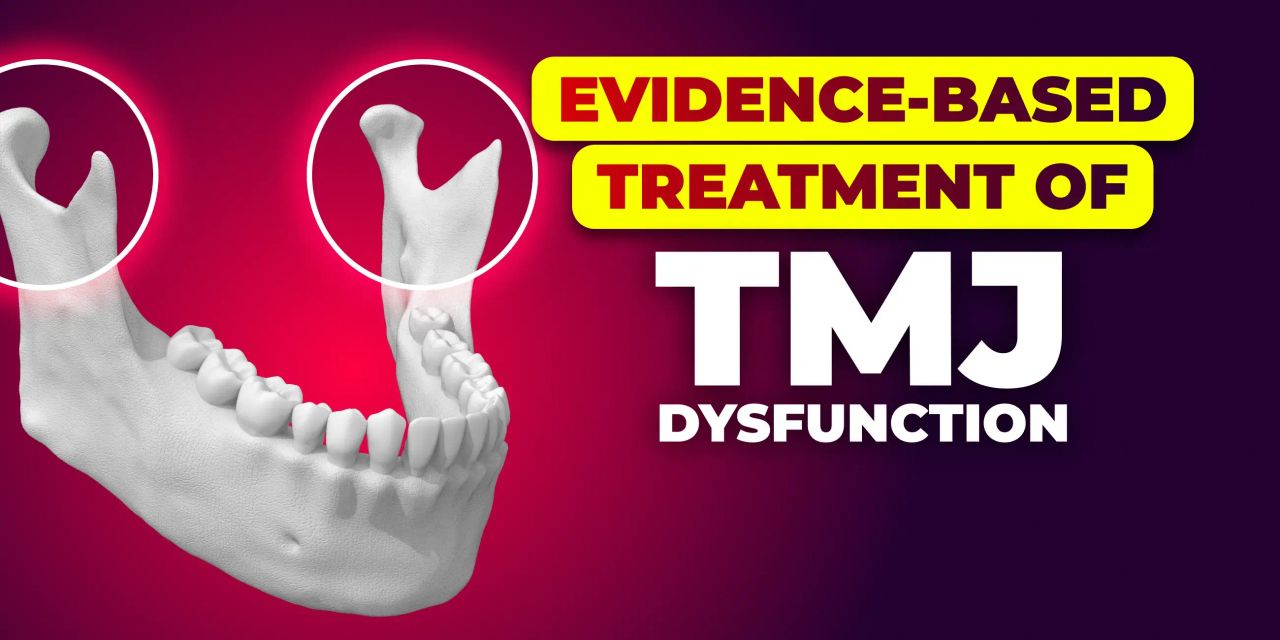
Temporomandibular disorders: clinical examination and differential diagnosis

Temporomandibular disorders: clinical examination and differential diagnosis
Gary D. KlasserBài học có trong các khóa học sau:
Nhận khóa học này và 2 800 giờ học với Premium.
bao gồm những gì
Bài học này
Chi tiết
1giờ 49phút
1.75 Tín chỉ CE

Tiếng Anh
Quyền xem bản ghi trong thời hạn gói Premium của bạn
Chương trình bài học
– What is pain?
– Biopsychosocial model: components
– Neuromatrix theory
– Classification of orofacial pain
– Musculoskeletal dysfunction: definition
– Epidemiology of musculoskeletal pain
– Etiology of musculoskeletal disorders
– Rules for choosing treatment tactics
– Factors of development of musculoskeletal dysfunction:
- Predisposing factors
- Initiators
- Aggravating factors.
– The concept of primary and heterotopic pain
– Anamnesis collection and examination: LOQFDIV-survey
– Clinical examination:
- Otoscopy
- Range of motion in the cervical spine
- Palpation of muscles and joints
- Palpation of the lymph nodes
- Provocative tests
- Movement of the lower jaw
- Intraoral examination
- X-ray diagnostics
- Serological examination
- Local anaesthesia.
Recommended for: Orthodontists, Prosthetists, Gnathologists, General dentists.
Bài học có trong các khóa học sau: