
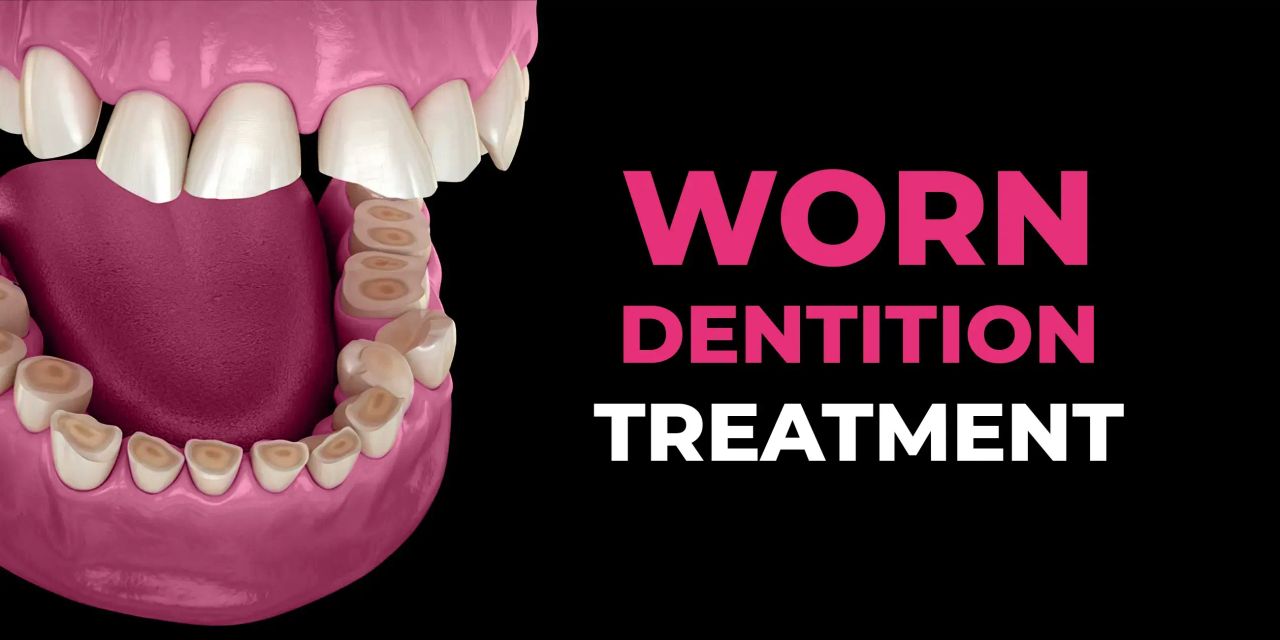
The role of bruxism in the mechanism of tooth wear

The role of bruxism in the mechanism of tooth wear
Daniel PaesaniBài học có trong các khóa học sau:
Nhận khóa học này và 2 800 giờ học với Premium.
bao gồm những gì
Bài học này
Chi tiết
1giờ 47phút
1.75 Tín chỉ CE

Tiếng Anh
Quyền xem bản ghi trong thời hạn gói Premium của bạn
Chương trình bài học
– Etiological factors and the mechanism of development of tooth wear: abrasion, erosion, attrition
– Bruxism and musculoskeletal dysfunctions: the main paradigms
– Occlusive splints in the diagnosis of bruxism:
- Bruxism without tooth wear
- Tooth wear without bruxism
- Tooth wear with bruxism.
– Bruxism vs erosion: distinctive features
– Increased tooth abrasion: histological aspects
– The effect of the quantity and quality of saliva on tooth wear
– Strategy for the management of patients with increased tooth wear: step-by-step protocol
– The role of the tongue in the development of tooth wear
– Relationship between gastroesophageal reflux, bruxism and pathological tooth wear
– Questionnaires that help identifies the true source of problems with tooth wear.
Recommended for: Prosthodontists, Functional dentists.
Bài học có trong các khóa học sau: