
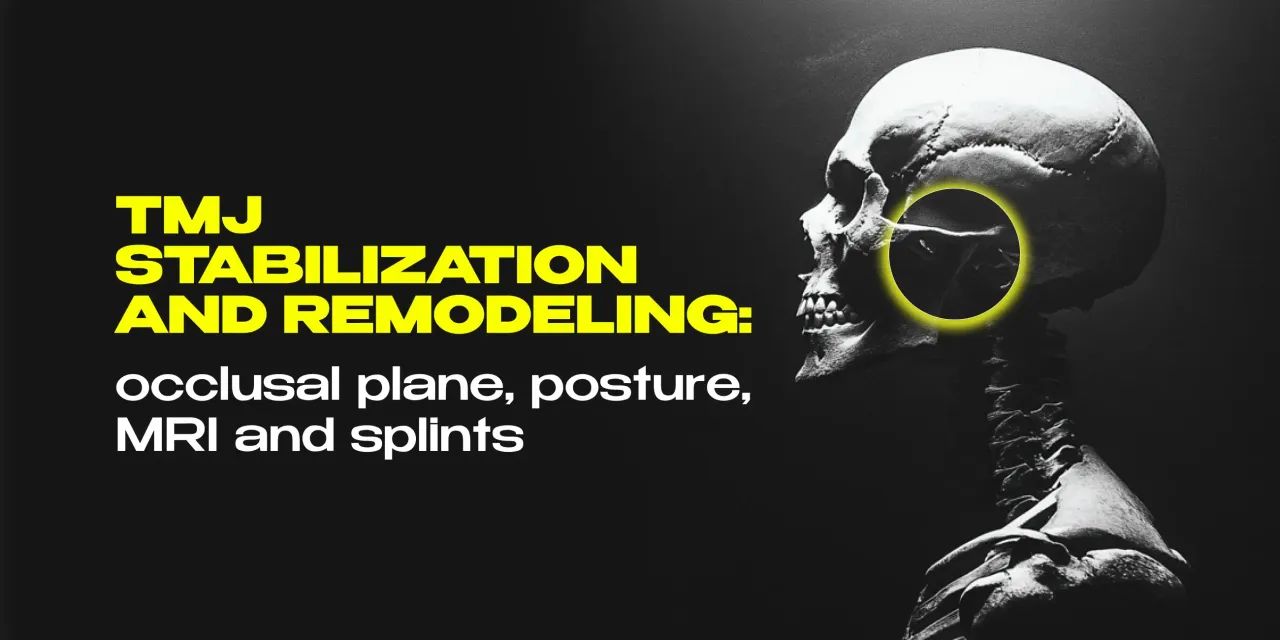
Physiologically driven full mouth restoration

Physiologically driven full mouth restoration
Jay Harris Levy
Nhận khóa học này và 1 200 giờ học với Premium.
bao gồm những gì
Bài học này
Chi tiết
1giờ 53phút
1.75 Tín chỉ CE

Tiếng Anh
Quyền xem bản ghi trong thời hạn gói Premium của bạn
Chương trình bài học
– The concept of static and dynamic occlusion
– Principles of occlusion, postural and respiratory stability
– The role of the orthodontist in total rehabilitation
– Occlusal splints in total prosthetics
– Passive muscle tone: influence on the posture and orientation of the TMJ
– Centric relation: dependence on the position of the head
– The theory of the sliding skull and the system of postural control
– Function of occlusal tires and front positioners
– Sensory-motor integration: influence on the closure of teeth
– Theory of interdental mechanoreceptors
– Principles of using occlusal splints as a temporary prosthesis
– The relationship of occlusion and airways.
Recommended for: Orthodontists, Oral and maxillofacial surgeons, General dentists.