
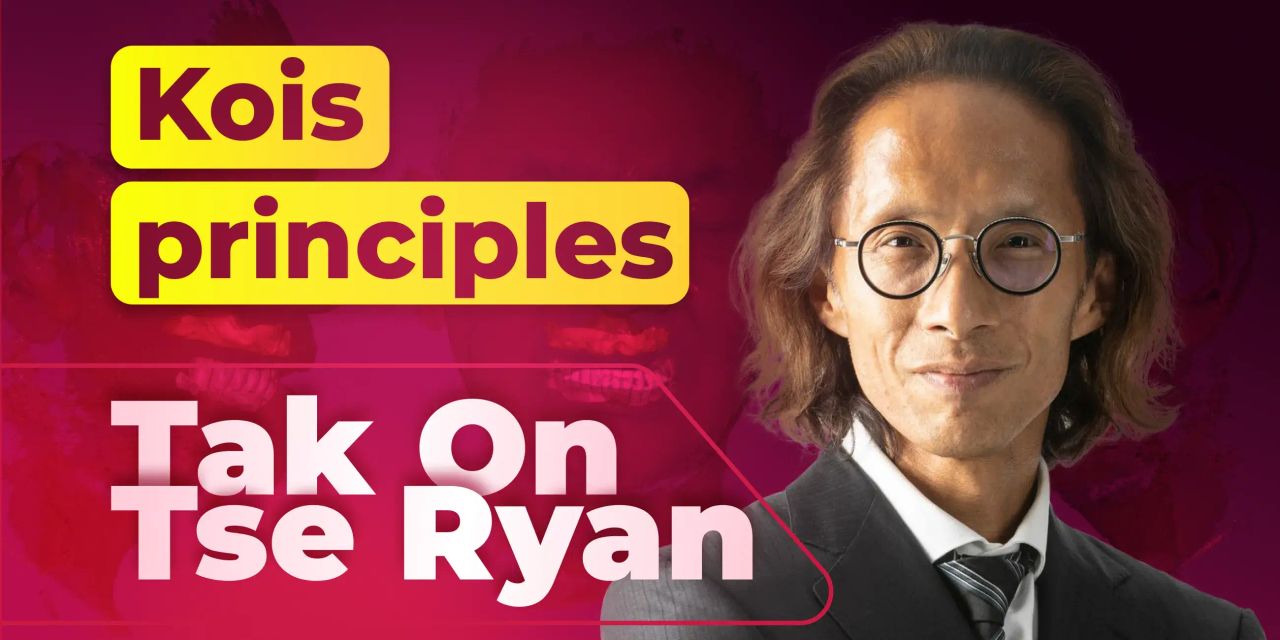
Occlusion Principle in Full mouth rehabilitation under Kois Principle

Occlusion Principle in Full mouth rehabilitation under Kois Principle
Ryan Tak On TseBài học có trong các khóa học sau:
Nhận khóa học này và 1 200 giờ học với Premium.
bao gồm những gì
Bài học này
Chi tiết
1giờ 15phút
1.25 Tín chỉ CE

Tiếng Anh
Quyền xem bản ghi trong thời hạn gói Premium của bạn
Chương trình bài học
– Terminology:
- Maximal intercuspal position (MIP)
- Central relation (CR)
- Vertical dimension of occlusion (VDO).
– Gnathologic principles
– Condylar movements: Bennet movement, Bennet angle
– Anterior guidance
– Dynamic system: variability and adaptation
– Physiologic occlusion
– Acceptable functions: chewing, swallowing, speaking and breathing
– Constricted chewing patterns
– Occlusal dysfunction and parafunctions
– Three P's according to the Kois principles: Position, Place, Paceway
– Transferring the emergence profile of multiple implant restoration
– Kois questionnaire
– Risk assessment: occlusion stress test
– Functional occlusion therapeutic considerations
– Central relation technique:
- Bilateral manipulation
- Lucia jig
- Leaf gauge
- Kois deprogrammer
- Bite plane
- Occlusal splint.
– Characteristics of Kois deprogrammer
– Benefits of a Kois deprogrammer.
Recommended for: Prosthodontists, Orthodontists, General dentists.
Bài học có trong các khóa học sau: