
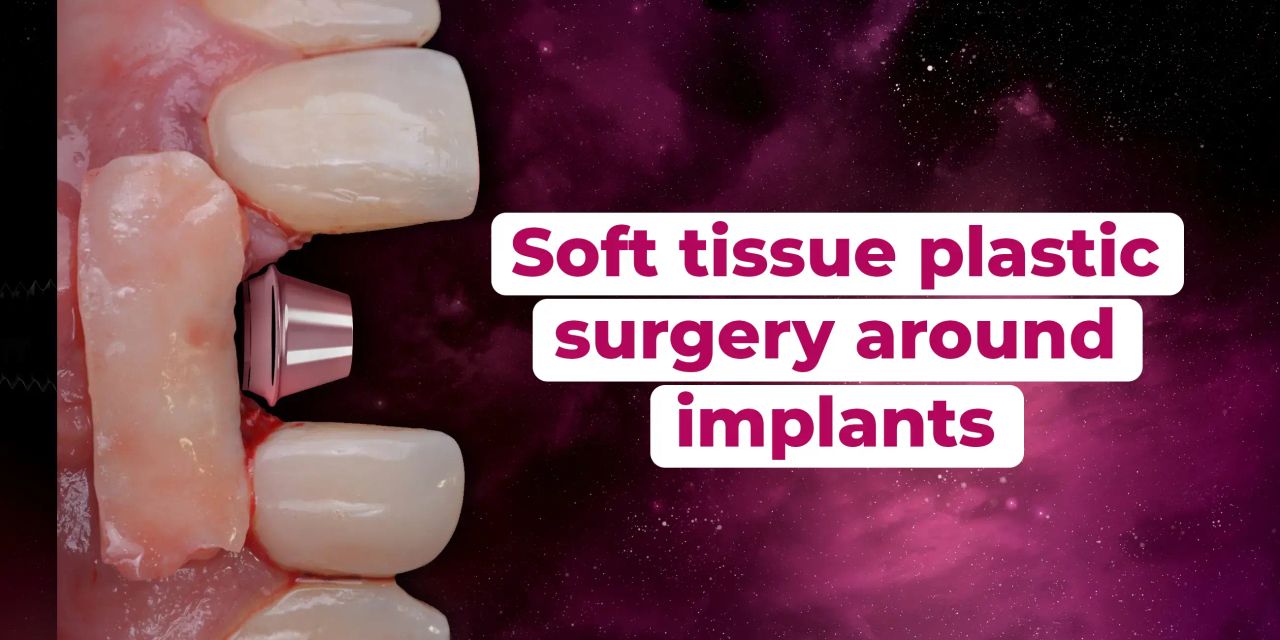
Soft tissue management around implants: incisions and flaps


Soft tissue management around implants: incisions and flaps
Massimo Frosecchi
Nhận khóa học này và 1 200 giờ học với Premium.
bao gồm những gì
Bài học này
Chi tiết
1giờ 35phút
1.5 Tín chỉ CE

Tiếng Anh
Quyền xem bản ghi trong thời hạn gói Premium của bạn
Chương trình bài học
– Implantation planning: biological and prosthetic aspects
– Digital planning of implantological treatment
– Soft tissues in the field of future implantation: features
– Flap:
- Anatomical aspects and design choices
- Features of flap mobilization
- Advantages of passive flap
- Detachment of the flap when exposing areas of anatomical structures.
– Types of flap incisions:
- intrasulcular
- paramarginal
- linear
- triangular
- trapezoidal.
– Main incision: tactics depending on the clinical situation
– Advantages of a palatal suture
– Techniques for creating a sufficient amount of keratinized gingiva around the implant
– Connective tissue graft from the tuber: advantages of application
– Flap suture: significance in the development of complications
– Suturing methods:
- suture horizontal mattress internal and external
- suture Laurell
- suture criss-cross
- suture Sentineri-Laurell
- suture continuous
- suture stabilization.
– Stabilization and passivation of the flap.
Recommended for: Periodontists, Implantologists.