
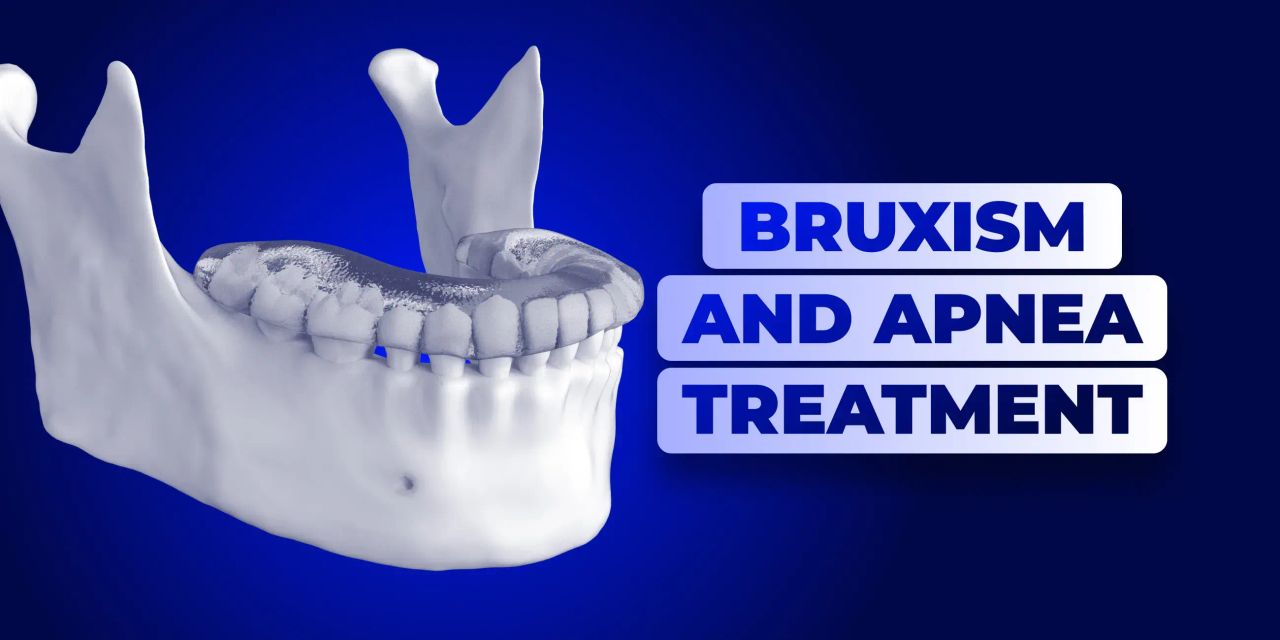
Technical assessment of masticatory muscle activity. Tricks and treats for researchers and clinicians

Technical assessment of masticatory muscle activity. Tricks and treats for researchers and clinicians
Luigi M. Gallo
Nhận khóa học này và 2 800 giờ học với Premium.
bao gồm những gì
Bài học này
Chi tiết
1giờ 57phút
1.75 Tín chỉ CE

Tiếng Anh
Quyền xem bản ghi trong thời hạn gói Premium của bạn
Chương trình bài học
– Bruxism and its biomechanical effects
– Electromyographic signals vs. bite forces
– Nature of electromyographic signals vs. other biosignals
– Dealing with electrical signals: basics of electricity
– Electromyographic acquisition
– Biosignal processing, analysis and classification
– Intra- and interindividual reproducibility
– Field measurements of bruxism
– Oral tasks and muscle contraction patterns
– Muscle fatigue and activity fluctuation
– Chewing frequency and electromyographic activity
– Biomechanical comparison between chewing and bruxism
– Masseter muscle behavior in different diagnostic groups
– Occlusion and electromyography
– Energy density in the temporomandibular joint
– Mechanobehavioral score
– Biomechanical effects of bruxism therapies.
Recommended for: Orthodontists, Prosthetists, Gnathologists, General dentists.