
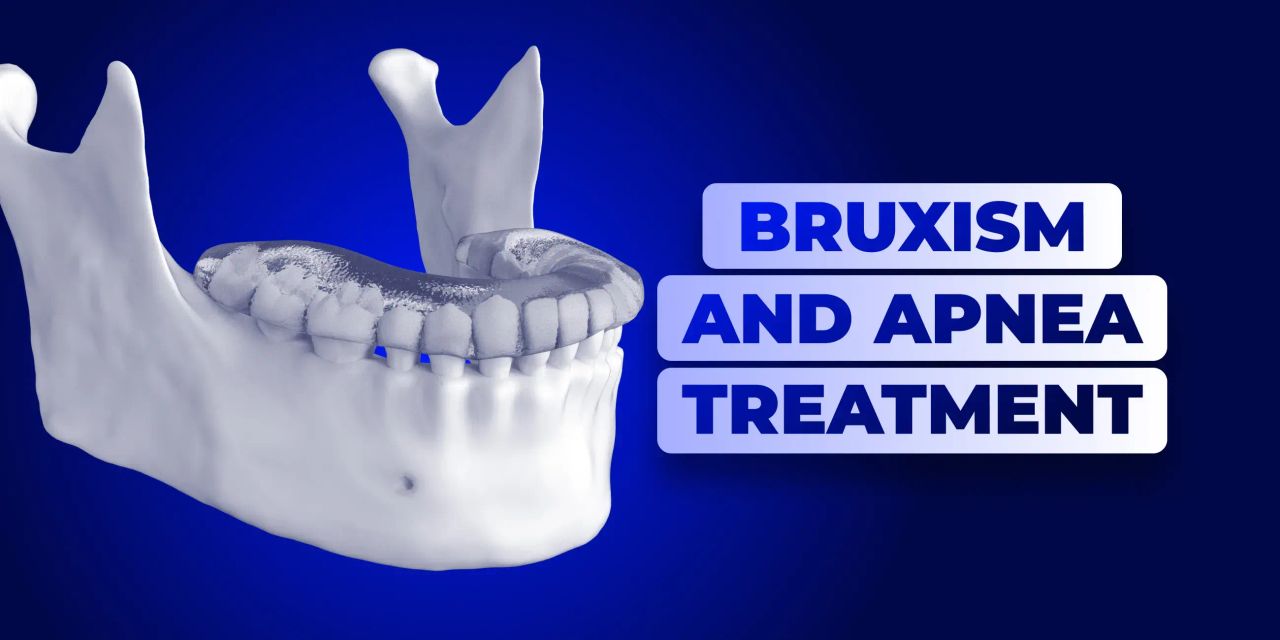
Sleep bruxism: from oromotor behaviour to comorbidity

Sleep bruxism: from oromotor behaviour to comorbidity
Maria Clotilde Carra
Nhận khóa học này và 2 800 giờ học với Premium.
bao gồm những gì
Bài học này
Chi tiết
1giờ 56phút
1.75 Tín chỉ CE

Tiếng Anh
Quyền xem bản ghi trong thời hạn gói Premium của bạn
Chương trình bài học
– Definition of bruxism: differences between awake an sleep bruxism
– International classification of sleep disorders
– Types of bruxism: primary, secondary and comorbidity
– Types of activity of the chewing muscles during sleep
– Etiology of sleep bruxism: hypotheses
– Sleep bruxism and related conditions
– Snoring and obstructive sleep apnea: norm and pathology
– Characteristics of parasomnia
– Secondary forms of sleep bruxism
– Modern gadgets and their impact on sleep and bruxism
– The clinical significance of bruxism
– Principles of diagnosis and treatment of bruxism
– Bruxism and tooth wear
– The role of the dentist in the diagnosis and treatment of bruxism.
Recommended for: Orthodontists, Prosthetists, Gnathologists, General dentists.