
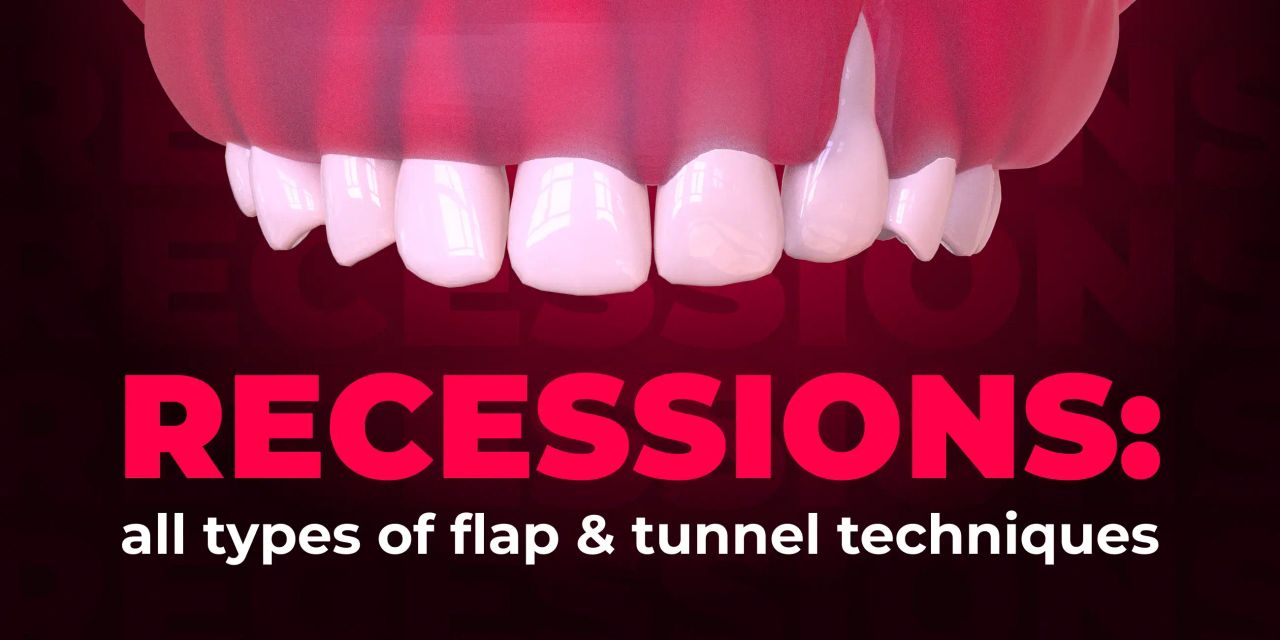
Predictability of root coverage procedures: clinical scenarios and evidence-based treatment options

Predictability of root coverage procedures: clinical scenarios and evidence-based treatment options
Leandro Chambrone
Nhận khóa học này và 2 800 giờ học với Premium.
bao gồm những gì
Bài học này
Chi tiết
2giờ 3phút
2 Tín chỉ CE

Tiếng Anh
Quyền xem bản ghi trong thời hạn gói Premium của bạn
Chương trình bài học
– Understanding the individual needs of the patient
– Recessions: indications for treatment
– Miller's classification of recessions
– Methods of closing gingival recessions:
- A group with a laterally positioned flap
- A group with a coronally advanced flap
- A group using a free gingival graft
- A group with the use of a subepithelial connective tissue graft.
– Predictability of treatment depending on the treatment plan
– Factors affecting the prognosis of treatment
– Treatment of Class I and II recessions according to Miller: the gold standard procedure
– Tissue healing after the closure of recessions in smokers
– Treatment of recessions of class III and IV according to Miller: the choice of treatment method
– Risk factors for the closure of the exposed root
– The value of the thickness of the keratinized gum for predicting treatment
– Methods of gingival phenotype modification
– Long-term stability of the gingival margin: factors
– Non carious cervical defects: treatment methods
– Treatment of multiple recessions: the use of allogeneic and xenogenic transplants
– Principles of connective tissue graft sampling.
Recommended for: Implantologist, Periodontist, General dentists.