

Occlusion-driven stress-reduced direct composite (SRDC)

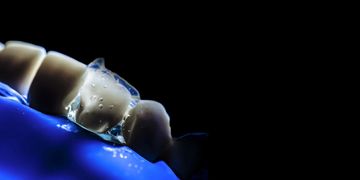
Occlusion-driven stress-reduced direct composite (SRDC)
Simone DeliperiKhóa học gồm các bài học sau:
Nhận khóa học này và 1 200 giờ học với Premium.
bao gồm những gì
Khóa học trực tuyến này
Chi tiết
2 bài học (3giờ 14phút)
Chứng chỉ quốc tế OHI-S
3 Tín chỉ CE

Tiếng Anh
Quyền xem bản ghi trong thời hạn gói Premium của bạn
Mô tả
The main question of the online course: HOW TO MAKE YOUR ANTERIOR AND POSTERIOR DIRECT RESTORATIONS THE MOST DURABLE AND FUNCTIONAL. All reports will highlight this issue! We will speak about occlusion of the future restorations with its methods of modelling, adhesion and post-endo rehabilitation. The mechanism of occlusion-driven stress-reduced direct composite (SRDC) and the mock up element will be also explained along with the question of a more reasonable preparation in a direct restoration. All reports will be helpful in creation of functional and durable direct restorations.
Bài học 1.Occlusion-driven stress-reduced direct composite (SRDC). Adhesion: what’s new and what works? Management of occlusal stress in structurally compromised teeth. Part 1
This lecture will introduce the stress-reduced direct composite (SRDC) protocol to predictably restore structurally compromised posterior teeth using a minimally invasive approach. The goal is to maximize the bond and reduce the stress to mimic the functional and optical characteristic of the natural dentition.
Introduction to the Deliperi Protocol: The cycle of tooth preservation vs «The tooth Cycle of death».
Bonding to dentin and enamel: what’s new and what it works? Adhesive systems review and selection, etchrinse vs self-etching vs universal systems.
Guidelines for SRDC restorations (Deliperi et al, 2012):
• Analysis of the occlusion and opposing dentition;
• Cavity preparation and caries removal endpoints;
• Analysis of residual tooth structure;
• Preparation of the dental substrate to achieve a reliable bond to enamel and dentin;
• Control of polymerization stresses by using appropriate layering and curing techniques;
• Occlusal force equilibration. MO, MOD and cusp replacing restorations via SRDC restorations:
• Clinical cases and videos from the Live Patient Demo courses at the Sardinia Dental Teaching Center
The restoration of structurally compromised vital and devital posterior.
Teeth via fiber-reinforced SRDC (Deliperi et al, 2017).
The Dentin Enamel Complex (DEC).
The biomimetic design of the restoration.
The «Wall-papering» protocol.
Management of occlusal stress in structurally compromised teeth: the occlusal surface design and the distribution of the load.
Clinical cases and videos from the Live Patient Demo courses at the Sardinia Dental Teaching Center.
The biomimetic full-mouth rehabilitation via SRDC.
How to predictably reestablish the vertical dimension of occlusion (VDO).
Patients with dental erosion.
Patients suffering from temporo-mandibular disorders (TMD).
Clinical guidelines and step-by-step procedure.
Bài học 2.Occlusion-driven stress-reduced direct composite (SRDC). Adhesion: what’s new and what works? Management of occlusal stress in structurally compromised teeth. Part 2
This lecture will introduce the stress-reduced direct composite (SRDC) protocol to predictably restore structurally compromised posterior teeth using a minimally invasive approach. The goal is to maximize the bond and reduce the stress to mimic the functional and optical characteristic of the natural dentition.
Introduction to the Deliperi Protocol: The cycle of tooth preservation vs «The tooth Cycle of death».
Bonding to dentin and enamel: what’s new and what it works? Adhesive systems review and selection, etchrinse vs self-etching vs universal systems.
Guidelines for SRDC restorations (Deliperi et al, 2012):
• Analysis of the occlusion and opposing dentition;
• Cavity preparation and caries removal endpoints;
• Analysis of residual tooth structure;
• Preparation of the dental substrate to achieve a reliable bond to enamel and dentin;
• Control of polymerization stresses by using appropriate layering and curing techniques;
• Occlusal force equilibration. MO, MOD and cusp replacing restorations via SRDC restorations:
• Clinical cases and videos from the Live Patient Demo courses at the Sardinia Dental Teaching Center
The restoration of structurally compromised vital and devital posterior.
Teeth via fiber-reinforced SRDC (Deliperi et al, 2017).
The Dentin Enamel Complex (DEC).
The biomimetic design of the restoration.
The «Wall-papering» protocol.
Management of occlusal stress in structurally compromised teeth: the occlusal surface design and the distribution of the load.
Clinical cases and videos from the Live Patient Demo courses at the Sardinia Dental Teaching Center.
The biomimetic full-mouth rehabilitation via SRDC.
How to predictably reestablish the vertical dimension of occlusion (VDO).
Patients with dental erosion.
Patients suffering from temporo-mandibular disorders (TMD).
Clinical guidelines and step-by-step procedure.
Khóa học gồm các bài học sau: